Wish you could enjoy a quieter suburban lifestyle without spending your mornings on the interstate? You are not alone. Many Louisville buyers want more space and convenience while keeping the drive to downtown reasonable. In this guide, you will find suburbs that often fit a roughly 30‑minute drive goal, the main routes to know, typical housing styles, and simple tools to test times for your exact schedule. Let’s dive in.
How we define 30 minutes
We use downtown Louisville’s central business district as the reference point for commute checks. Think of the courthouse and Waterfront Park area as the downtown target. Drive times vary with start time, incidents, and route choice. You should always run a live check for your address and work hours using a tool like Google Maps.
When comparing suburbs, look for highway access, parallel surface routes, and interchange bottlenecks. If you want broader context on typical commute patterns, the U.S. Census Bureau’s American Community Survey publishes travel time to work data for the region. For roadwork and traffic advisories that could affect your timing, check the Kentucky Transportation Cabinet.
Top Louisville suburbs within about 30 minutes
Below are Louisville‑area communities that relocating buyers often target when aiming for about a 30‑minute drive to downtown, depending on exact start point and time of day. For each suburb, you will see key routes and typical housing types so you can zero in on a good fit.
St. Matthews
St. Matthews sits just east of downtown inside I‑264, near major shopping and dining corridors. It offers a convenient location with quick access to I‑64 and surface streets that head straight toward the urban core.
- Primary routes at a glance:
- Route A, highway: Frankfort Ave or Cannons Ln to I‑64 West, then to I‑65 North into the downtown core.
- Route B, surface: Frankfort Ave or Bardstown Rd to Baxter Ave, then Main St into central downtown.
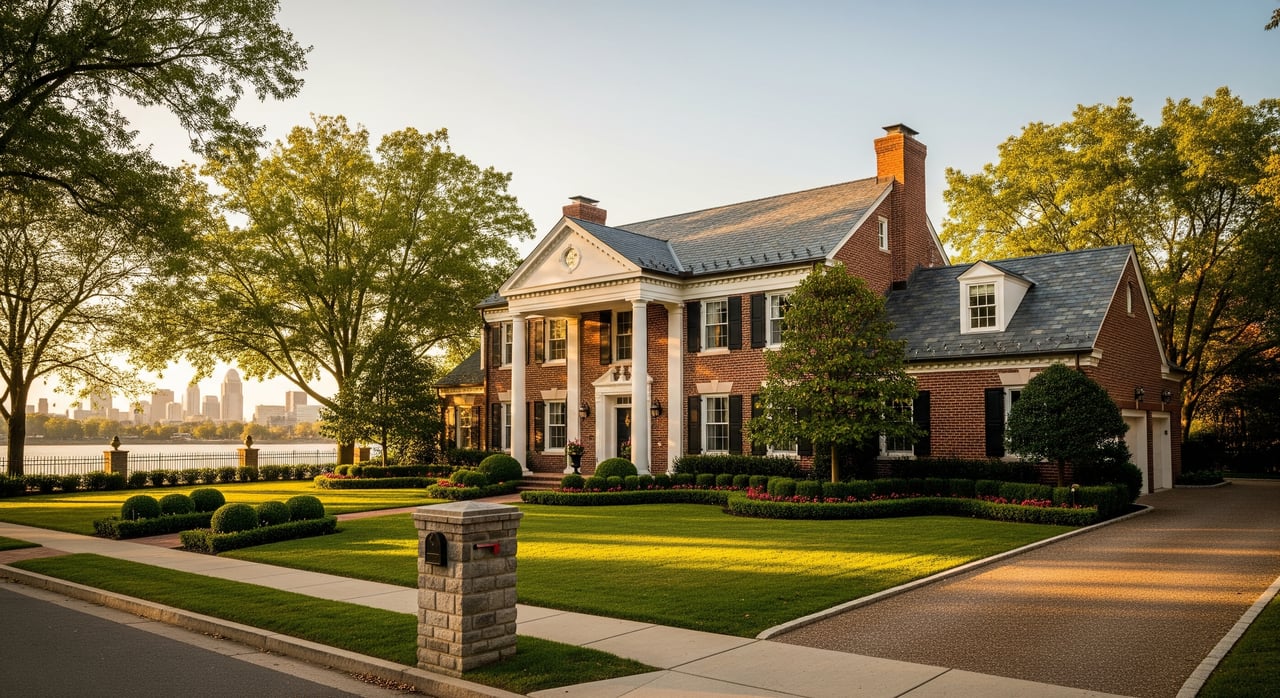
- Quick housing snapshot: Older mid‑century ranches and brick colonials, plus infill townhomes and condos near shopping corridors.
- Commute note: Proximity is the advantage here. Peak‑hour signals can slow surface routes, so many commuters prefer the I‑64 approach when traffic flows well.
Lyndon / Oxmoor
Lyndon and the Oxmoor area are east of downtown near the I‑264 loop, offering good access in multiple directions. Locations just inside or adjacent to I‑264 make trips to downtown or other job nodes flexible.
- Primary routes at a glance:
- Route A, highway: I‑264 West to I‑65 North into downtown.
- Route B, surface: Residential connectors to Shelbyville Rd, then either I‑64 West or a direct surface approach toward downtown.
- Quick housing snapshot: Post‑WWII brick ranches, split‑levels, established subdivisions, plus some condos and townhomes near commercial corridors.
- Commute note: The short hop to I‑264 keeps options open and helps with route redundancy during incidents.
Jeffersontown (J‑Town)
Jeffersontown anchors the southeast corridor and is a job center itself with corporate parks. Many residents work nearby, though the downtown route is still manageable for many schedules.
- Primary routes at a glance:
- Route A, highway: Blankenbaker Pkwy to I‑64 West, then I‑65 North into downtown.
- Route B, alternate connectors: Shelbyville Rd/US‑60 to I‑264, then I‑65 North.
- Quick housing snapshot: Newer subdivisions and townhomes, a strong presence of post‑1990 construction and planned communities.
- Commute note: Interchanges on I‑64 and I‑264 are the key pinch points. Having both I‑64 and I‑264 as options helps you pick the better flow day by day.
Middletown / Anchorage corridor
Middletown and nearby Anchorage sit on the east and northeast edge of the city. Middletown features a broad mix of newer neighborhoods, while Anchorage offers larger lots, historic homes, and a more wooded setting.
- Primary routes at a glance:
- Route A, highway: Middletown to I‑64 West, then I‑65 North into the downtown core.
- Route B, surface: Shelbyville Rd/US‑60 westbound, with options to join I‑264 or continue on surface streets when highway incidents occur.
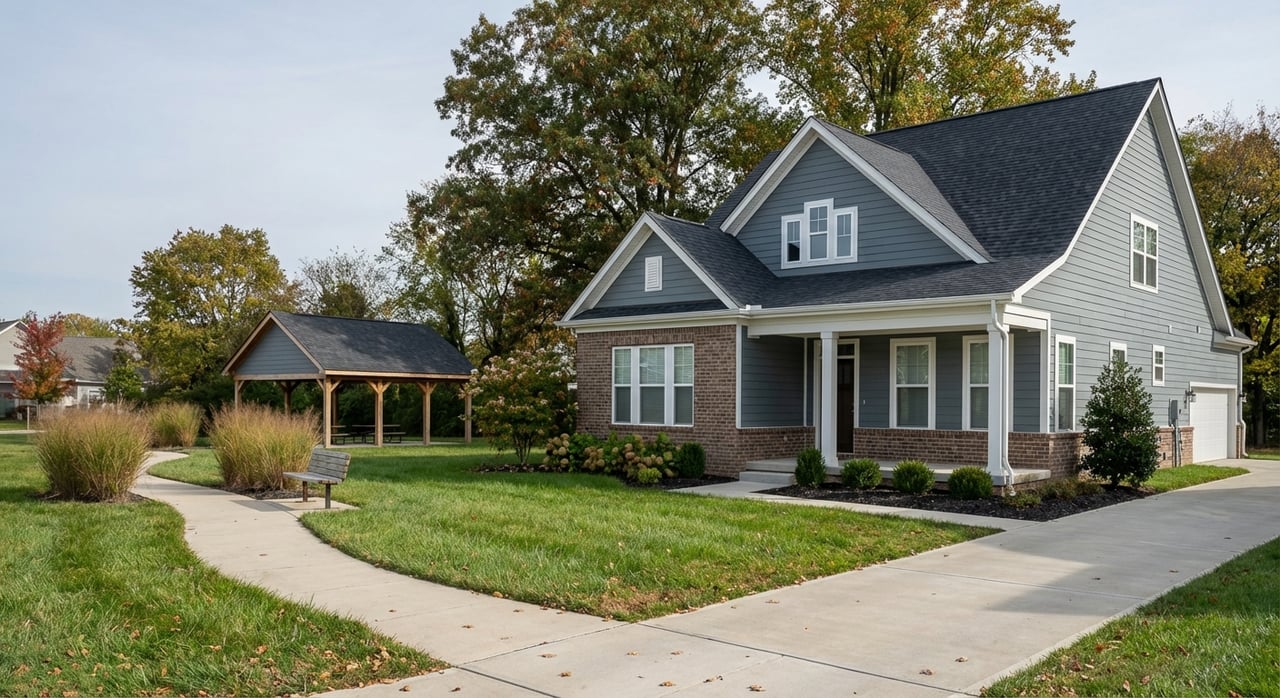
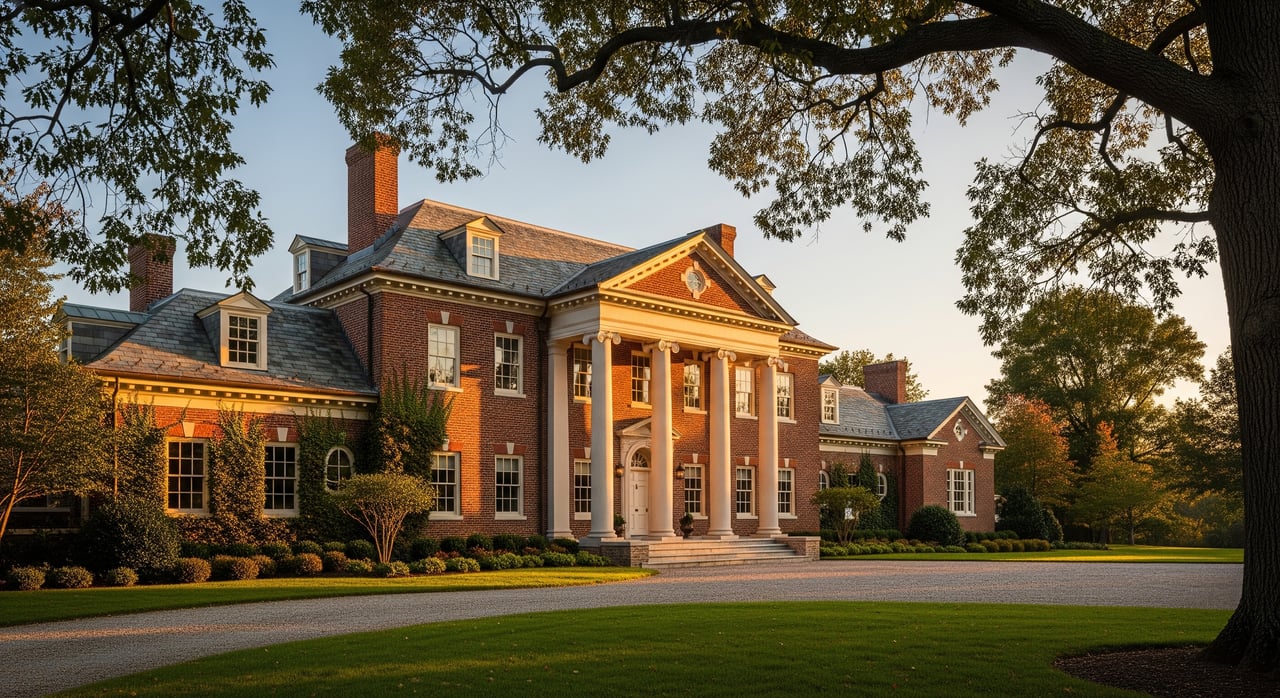
- Quick housing snapshot: Middletown has many newer suburban subdivisions and townhomes. Anchorage features estate‑style homes, larger parcels, and historic properties.
- Commute note: Distance is greater than inner‑ring suburbs, but many commuters meet a 30‑minute target outside extreme peak congestion. Always test your exact start time.
Prospect / River Road corridor
Prospect sits along the Ohio River northeast of downtown. Many residents like the combination of scenic corridors and access to US‑42 or I‑71 for faster connections.
- Primary routes at a glance:
- Route A, scenic/surface: US‑42 or River Rd toward downtown.
- Route B, highway: I‑71 South to I‑64 or direct connectors into downtown.
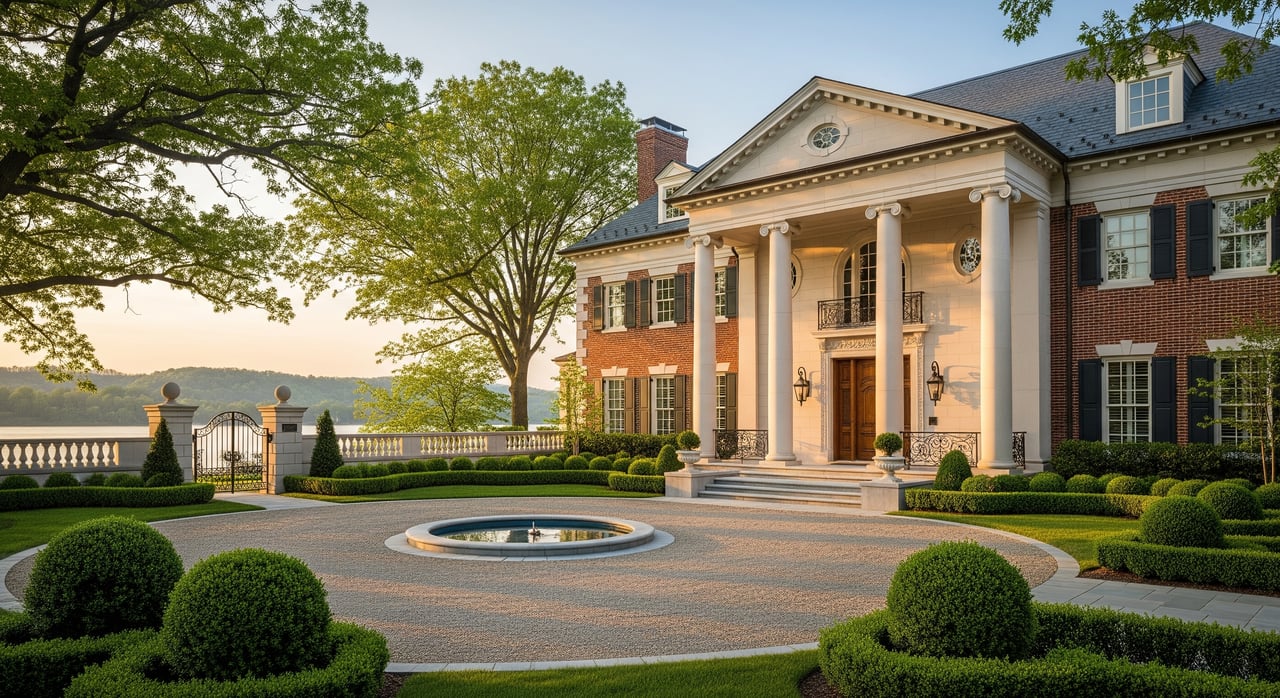
- Quick housing snapshot: Larger‑lot estates, traditional single‑family neighborhoods, and newer developments in select pockets.
- Commute note: River crossings and I‑71 slowdowns can influence timing. Having both US‑42/River Rd and I‑71 gives you a useful plan B.
Shively / Southwestern neighborhoods
Shively and nearby southwestern neighborhoods sit just southwest of downtown, some inside the I‑264 loop. The close‑in distance can make for efficient trips when signals line up.
- Primary routes at a glance:
- Route A, highway: I‑264 to I‑65 North into downtown.
- Route B, surface: 7th St Rd or 3rd St corridors continuing into the downtown grid.
- Quick housing snapshot: Older single‑family houses, brick bungalows on smaller lots, and growing infill.
- Commute note: The short distance is the upside. Surface lights and local traffic patterns can add variability during peak periods.
Valley Station / Pleasure Ridge Park (PRP)
This far‑southwest area clusters around I‑65 and the Gene Snyder (I‑265). It offers more space and often more affordable single‑family options while keeping a viable route to the city.
- Primary routes at a glance:
- Route A, highway: I‑65 North directly into the downtown core.
- Route B, alternate: I‑265 to I‑65 or I‑64 depending on origin and current traffic.
- Quick housing snapshot: Older suburban homes, ranches, and starter‑home stock with some newer subdivisions.
- Commute note: Distance is greater than inner‑ring suburbs. Peak congestion on I‑65 can extend times, so build in flexibility on high‑traffic days.
Secondary job centers matter
Not everyone is headed downtown daily. Louisville’s east‑side business corridors and Jeffersontown’s employment parks draw many commuters. If your office is in the Hurstbourne, Blankenbaker, or medical campus areas, you might find even shorter drives from Lyndon, Jeffersontown, Middletown, or Anchorage. Always match your suburb choice to your most frequent destination, not just the downtown grid.
How to test your own commute in minutes
You can quickly gauge drive times for your exact address and schedule. Here is a simple, repeatable method you can run today:
- Pick your reference point. Use the downtown central business district as a baseline for city trips, or your specific work address if different.
- Test two times. In Google Maps, run the trip at your typical morning departure and a mid‑day off‑peak. Compare the range.
- Try two routes. Note both a primary highway route and a practical surface alternative. Save both in your app so you can check traffic each morning.
- Watch construction. Before you lock in a suburb, check the Kentucky Transportation Cabinet for major projects that could affect your corridor.
- Consider transit. Some areas have bus coverage via the Transit Authority of River City. Confirm coverage and timing on TARC’s routes and schedules.
- Map a 30‑minute shed. If you want a visual, try a 30‑minute drive‑time polygon using TravelTime or the Mapbox isochrone tools at Mapbox to see which neighborhoods fall inside your comfort zone.
Tips to make a 30‑minute goal realistic
- Build route redundancy. Favor suburbs with both interstate access and a viable surface backup.
- Plan buffer time. Give yourself a few extra minutes on known bottleneck days or during weather.
- Align suburb to job center. If you split time between downtown and east‑side offices, choose a location with balanced access to I‑64, I‑65, and I‑264.
- Test at your real departure. A 7 a.m. commute can behave differently than 8 a.m. Run live checks for your exact schedule.
- Factor hybrid schedules. If you commute two or three days a week, a slightly longer range may still fit your lifestyle.
If you want help comparing neighborhoods, routes, and housing fits for your lifestyle, let’s talk. You can get local guidance, set up on‑the‑minute listing alerts, and tour the best options on your schedule with Mark Stevens.
FAQs
How reliable is a 30‑minute commute to downtown Louisville during rush hour?
- Expect variability by day and departure time. Use live checks at your exact start time and keep a highway route plus a prepared surface backup.
Which Louisville suburbs offer multiple route options to downtown?
- St. Matthews, Lyndon/Oxmoor, and Jeffersontown provide quick access to I‑64, I‑65, and I‑264, plus practical surface alternatives to handle incidents.
Are there public transit options from the suburbs to downtown?
- TARC operates fixed routes across the metro area, with some suburbs requiring transfers; confirm coverage and timing on TARC’s website.
What housing types are common in these commute‑friendly suburbs?
- Inner‑ring areas like St. Matthews and Lyndon offer mid‑century ranches, brick colonials, and condos, while Middletown, Jeffersontown, Anchorage, and Prospect include newer subdivisions, townhomes, and larger‑lot or estate homes.
How should I plan if I have a hybrid work schedule?
- Test your commute on the days and times you expect to drive, then weigh a slightly longer distance against lifestyle benefits like yard size or neighborhood amenities.
Where can I check for road projects that could affect my commute?
- Review statewide advisories and project updates from the Kentucky Transportation Cabinet and run a fresh route check before major milestones or season changes.