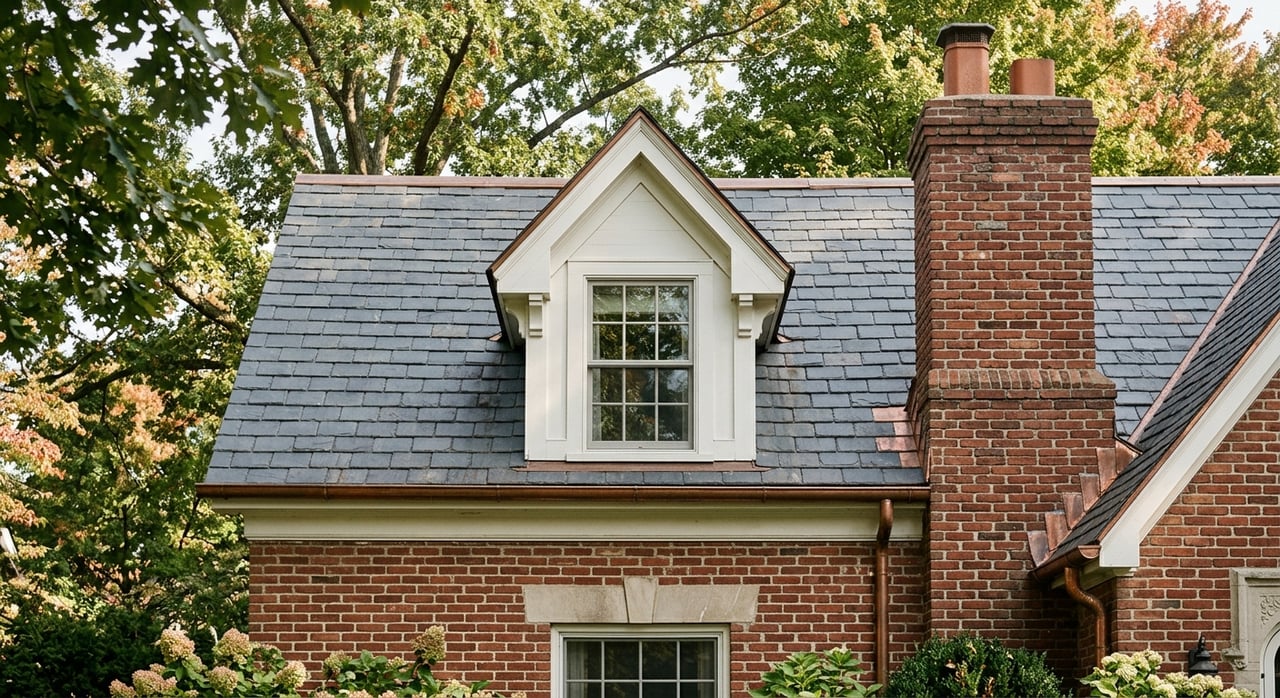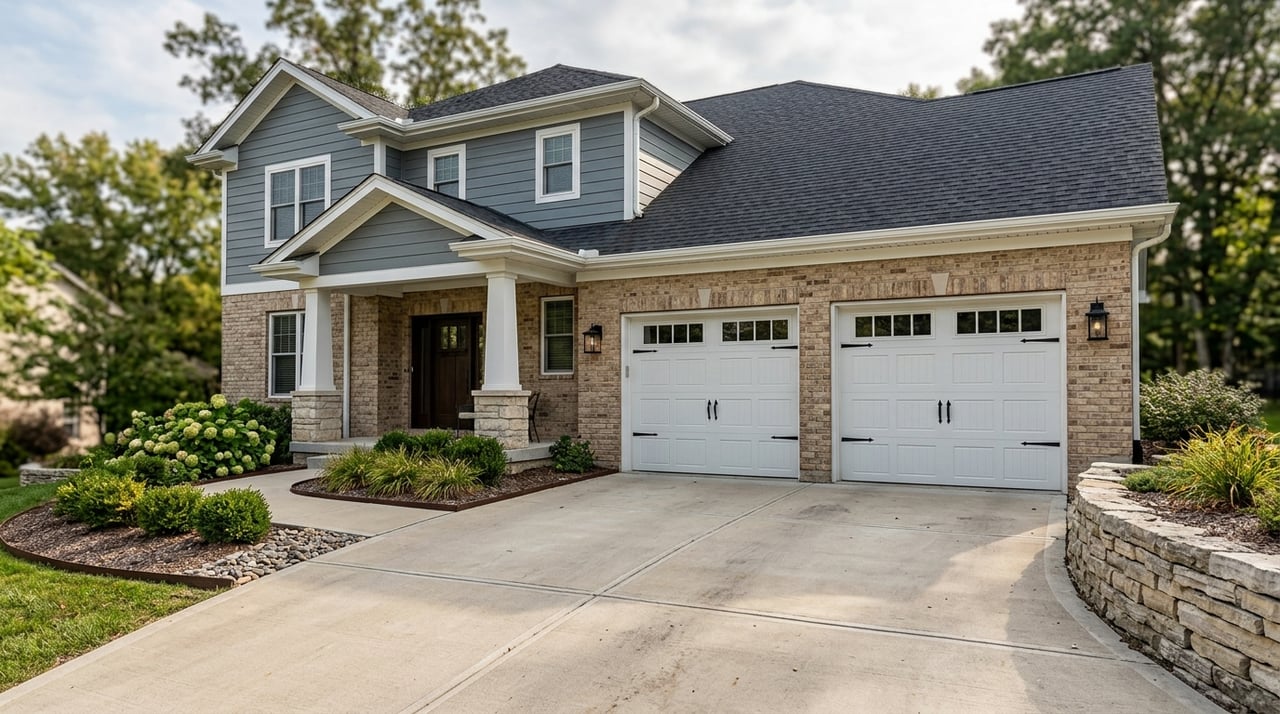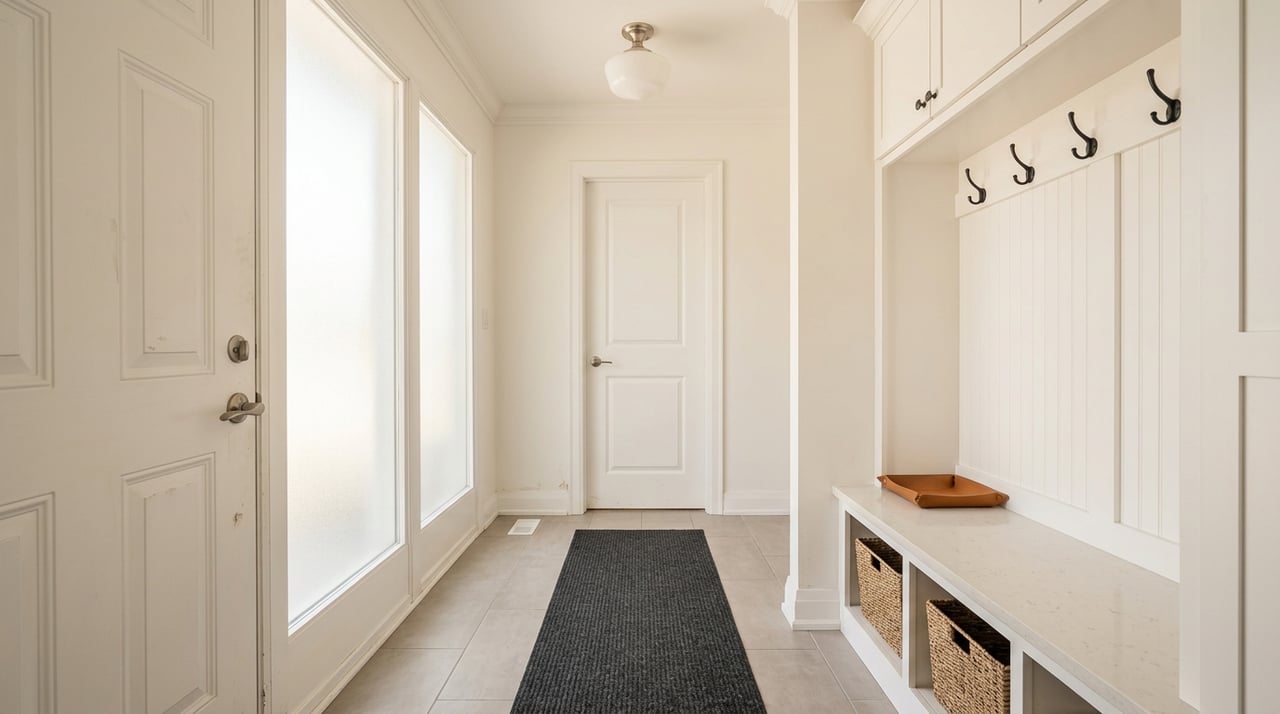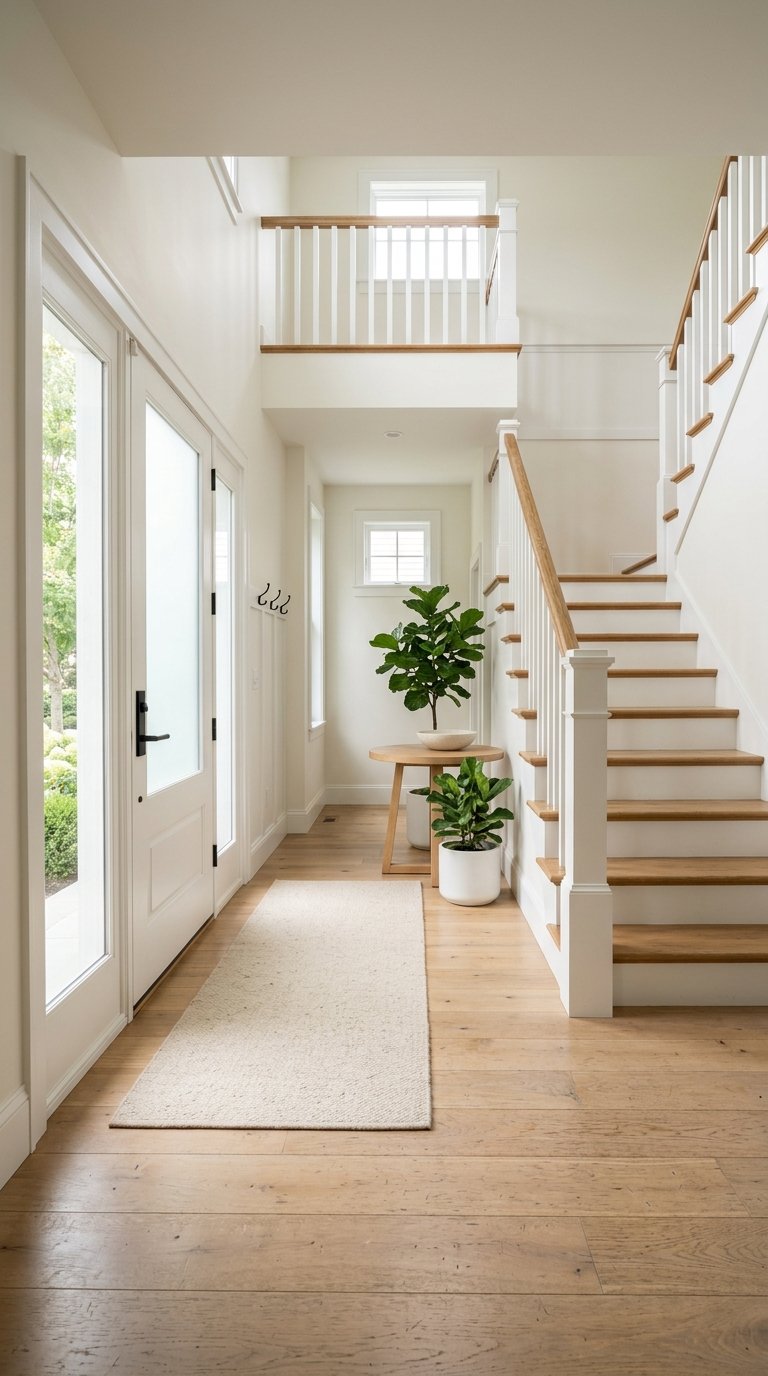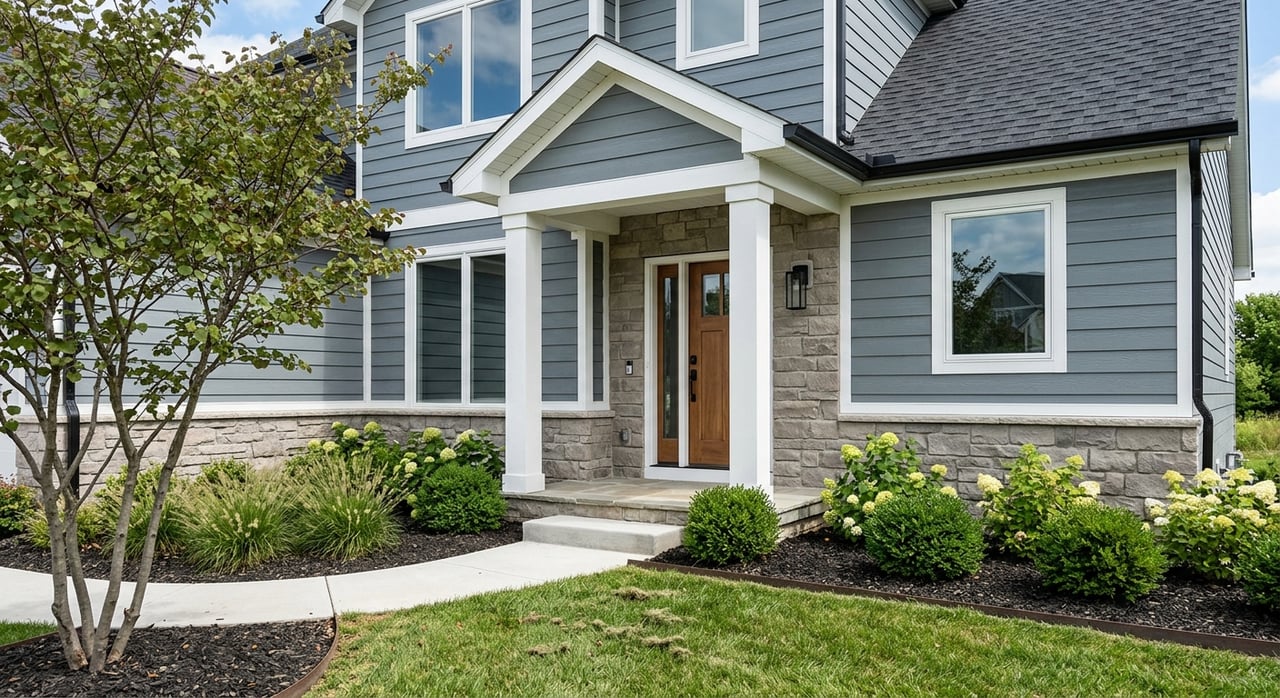
Thinking about buying a brand-new home in Middletown, KY? You are not alone. Many buyers are drawn to new construction for the modern layouts, lower maintenance, and chance to personalize finishes, but the process can feel less straightforward than buying a resale home. If you are comparing builders, communities, and price points in Middletown and the East End, this guide will help you understand what to watch, what to ask, and how to make a confident decision. Let’s dive in.
Why Middletown draws new construction buyers
Middletown is an independent city in Jefferson County with a population of 9,706, and it sits in a part of the Louisville metro where new construction is often marketed under a few different location labels. According to the Kentucky city profile for Middletown, that matters because communities in the East End may be advertised as Louisville, Middletown, or Jefferson County depending on the builder.
For you as a buyer, the practical takeaway is simple: always verify the exact address and community location instead of relying only on the marketing name. That extra step can help you compare homes more accurately and avoid confusion when you are narrowing down neighborhoods, commute routes, and nearby amenities.
What new construction looks like here
New construction in Middletown and nearby east Louisville is not limited to one style or one price range. Current builder offerings show a mix of single-family homes, ranch plans, townhome-style options, and low-maintenance layouts, with prices varying based on builder, lot, floor plan, and build stage.
That means your search should focus less on a single advertised starting price and more on the full package. You will want to compare the builder, the homesite, the included features, the upgrade path, and the timeline.
Current builder examples
At Creekside Commons by Elite Homes, homes are currently advertised from the low $500s. The community highlights eight floor plans ranging from 1,959 to 3,161+ square feet, with one- and two-story options, all-brick exteriors, front-entry garages, open-concept living areas, and unfinished basements.
Builder activity in the broader East End also helps show the range buyers may see. Fischer Homes listings in the Louisville area include communities such as Windcrest Farms and Bridle Run, with advertised pricing from $272,000 to $502,000+ depending on the community and collection. Those communities reflect common local choices like ranch homes, two-story layouts, and low-maintenance options.
Floor plan trends buyers should expect
If you tour model homes in and around Middletown, you will likely start seeing the same design themes again and again. Builders are leaning into open kitchens, large great rooms, flex spaces, lofts, and layouts that give buyers more day-to-day function.
One example is Elite Homes’ Monroe plan, which includes four bedrooms, 2.5 baths, a two-story great room, a study that can convert to formal dining, and options like a three-car garage, an in-law suite, a loft or bonus room, and upgraded primary bath features. Even if that exact plan is not right for you, it is a helpful snapshot of what many buyers are comparing in this market.
Popular features to compare
As you evaluate homes, keep an eye on these common features:
- Open-concept kitchens and living areas
- Flex rooms or dedicated studies
- Ranch and multi-level layouts
- First-floor or secluded primary suites
- Larger garage options
- Covered patio options
- Lofts or bonus rooms
- Unfinished basements in some communities
The right fit depends on how you live now and how long you plan to stay in the home. A layout that looks great online may feel very different once you think through storage, work-from-home needs, guest space, or long-term flexibility.
Base price versus actual price
One of the biggest surprises in new construction is that the advertised base price is rarely the final price you pay. Builders often separate the base home from the options and upgrades, and model homes may include finishes that are not part of the standard package.
For example, Creekside Commons has advertised limited-time incentives tied to designer upgrades and financing, while also noting that renderings may show features not included in the purchase price and that pricing and terms can change without notice. Fischer Homes also emphasizes personalization through its Design Studio, which shows how much the final number can shift once selections begin.
Questions to ask about pricing
Before you move forward with any builder, ask for clarity on:
- What is included in the base price
- Which floor plans fit each lot
- What structural options cost extra
- Which finishes in the model are upgrades
- Whether there are current incentives for upgrades or financing
- How lot premiums affect the total price
- What closing costs and deposits you should expect
This is where careful budgeting matters. The Consumer Financial Protection Bureau notes that builders may ask for earnest money on homes that are not yet built, and you do not have to use the builder’s preferred lender.
How long a new build can take
If timing matters, this may be the most important part of your decision. New construction generally takes longer than buying a resale home, and the timeline depends heavily on whether you are buying a spec home, a stock plan, or something more customized.
According to the National Association of REALTORS® consumer guide, a custom-home design phase often lasts 3 to 6 months, with construction typically lasting at least 12 to 16 months. The same guide notes that choosing a stock plan or a spec home can shorten the process and may still allow some finish selections if the home is early enough in construction.
A practical local benchmark in the research points to about 8 to 14 months from groundbreaking to move-in, plus 2 to 4 months for design and permitting. In other words, if you need to move quickly, resale may still be the better fit.
New construction versus resale
For many buyers, this comes down to priorities. New construction offers a modern product and more personalization, while resale often offers a faster timeline and fewer pricing unknowns.
Here is a simple side-by-side view:
| Consideration | New Construction | Resale |
|---|---|---|
| Timeline | Usually longer | Usually faster |
| Layouts | Modern and flexible | Varies by age and updates |
| Personalization | Often available early in the build | Limited to post-closing renovations |
| Maintenance | Typically lower near term | Depends on age and condition |
| Pricing clarity | Can change with upgrades and lot premiums | Based on the home as it exists |
New construction also often comes with warranty coverage. The NAR guide notes the appeal of newer systems and possible finish selections, while the FTC says many new-home warranties cover workmanship and materials for one year, with different timelines for other components and longer structural coverage in many cases.
Why inspections still matter
A brand-new home is still a home under construction, and that means inspections matter. Do not assume that new automatically means flawless.
The CFPB recommends scheduling an independent home inspection as soon as possible and advises buyers not to skip this step. The CFPB also recommends making your offer contingent on financing and a satisfactory inspection, which can help protect you if issues come up before closing.
Common due diligence steps
As you move through the process, make sure you:
- Confirm what is included in writing
- Review the contract carefully
- Track upgrade costs as you select finishes
- Keep financing aligned with the final purchase price
- Schedule an independent inspection
- Understand the builder warranty and what it covers
The FTC also notes that warranties may not cover indirect costs, such as temporary housing if a major defect needs repair. That is another reason to go in with clear expectations.
Why buyer representation helps
When you walk into a new-home community, the on-site sales team is there to represent the builder. That does not make the process bad, but it does mean you should understand who is advocating for your interests.
The CFPB recommends working with a real estate agent who understands the neighborhood, price range, and home type. In a new-construction purchase, buyer representation can be especially helpful at key moments like your first builder visit, plan and lot selection, contract review, upgrade budgeting, and inspection and warranty follow-up.
For many buyers in Middletown, that support can make the process feel much more manageable. You are not just choosing a floor plan. You are balancing timing, budget, contract terms, finishes, and long-term value.
Smart questions to ask before you sign
If you are serious about a new construction home in Middletown, bring these questions to every builder conversation:
- What homes are available now versus to-be-built?
- What is the realistic move-in timeline for this homesite?
- Which features are standard, and which are upgrades?
- Are there lot premiums on the homes I like?
- What incentives are currently available?
- How much earnest money is required?
- When do design selections need to be made?
- What type of warranty comes with the home?
- Can I hire my own inspector?
These questions can help you compare communities in a more practical way. They also make it easier to separate a polished model-home presentation from the actual terms of the purchase.
Final thoughts on buying in Middletown
New construction homes in Middletown, KY can offer a lot to love: fresh finishes, flexible layouts, newer systems, and the chance to personalize key details. At the same time, the best decision usually comes down to the details behind the listing, including the exact location, what is included, how upgrades affect the price, and how long the build will take.
If you want help comparing communities, understanding tradeoffs, and staying on budget from the first builder visit to closing, reach out to Mark Stevens. You will get local guidance, clear communication, and a steady advocate as you explore your options.
FAQs
What should you know about new construction locations in Middletown, KY?
- Builder marketing may use Louisville, Middletown, or Jefferson County interchangeably, so you should verify the exact property address and community location before moving forward.
What floor plans are common in new construction homes around Middletown?
- Buyers commonly see ranch plans, one- and two-story homes, open-concept layouts, flex spaces, lofts, larger garages, and options for covered patios or secluded primary suites.
What is usually included in the base price of a new construction home?
- The base price varies by builder and community, and model-home features may not be included, so you should ask for a written breakdown of standard features, upgrades, and lot premiums.
How long does it take to build a new construction home in the Middletown area?
- Timelines vary, but research in this market points to roughly 8 to 14 months from groundbreaking to move-in, plus 2 to 4 months for design and permitting, with longer timelines possible for more custom builds.
Do you need an inspection on a brand-new home in Kentucky?
- Yes. The CFPB recommends hiring an independent home inspector and not skipping the inspection process, even on a newly built home.
Should you use your own agent when buying new construction in Middletown?
- Yes. A buyer’s agent can help you compare builders, review the contract, track upgrade costs, and advocate for your interests throughout the process.