Thinking about a historic home in Anchorage? It is easy to see the appeal. From mature trees and generous lots to distinctive architecture and outdoor living spaces, these properties offer a sense of place that newer homes often cannot match. If you are considering one, you also need a clear picture of what makes this market different, what to inspect closely, and how local preservation rules may shape your plans. Let’s dive in.
Why Anchorage stands out
Anchorage is a distinct historic-home market in eastern Jefferson County. According to the Jefferson County PVA, the neighborhood has about 850 residences and a population of almost 3,000, which helps explain why older homes remain such a visible part of the housing mix.
Historic homes in Anchorage are part of a long-established preservation framework. The city guidebook notes that a central historic district of eight structures was listed on the National Register of Historic Places in 1979, and the Anchorage Historic Preservation District was created by city council in 1992.
You also see real architectural variety here. A National Park Service survey of Jefferson County identifies the Anchorage area as especially strong in late-19th-century Queen Anne, Shingle, and Neo-Classical architecture.
What buyers often love
Many Anchorage historic homes are defined by their setting as much as their structure. The city’s preservation guidelines describe buildings with generous siting, open space around them, and a strong connection between indoor and outdoor living.
That often shows up in features buyers notice right away, including porches, balconies, patios, terraces, decks, and windows placed to capture views of the landscape. In a community with a mature tree canopy, those details can be a big part of the appeal.
The guidelines also emphasize human scale, varied architectural styles, and a building’s relationship to its site and surrounding vegetation. In practical terms, you are not just buying square footage. You are often buying a home that was designed to sit naturally within its landscape.
Features worth preserving
If you are shopping for an older home in Anchorage, it helps to know which exterior details the city considers important. The guidebook highlights original materials and architectural detailing such as corner boards, cornices, porches, and window and door trim.
Roof shape matters too. The city’s guidelines say roof form should be maintained on older buildings, and they discourage artificial siding and false facades.
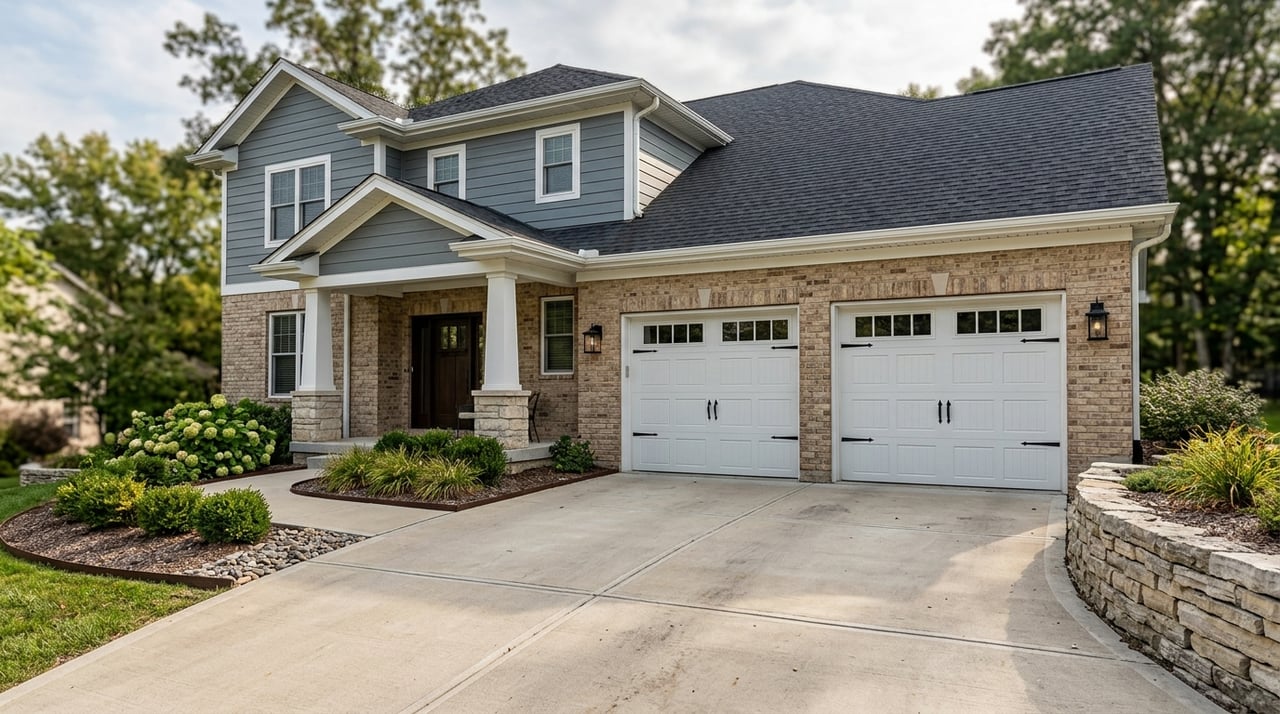
Garage placement can also affect how a home fits its surroundings. In the local guidelines, garage doors facing the street are discouraged in favor of more subdued placement and detailing.
The landscape is part of the historic experience as well. The guidebook says plantings are typically native and natural rather than formal, and removal of trees with a trunk diameter greater than three inches requires approval.
Inspection priorities for older homes
A beautiful historic home can still come with maintenance needs, and a careful inspection matters. For older buildings, moisture is often the biggest recurring issue.
The National Park Service says uncontrolled moisture is the most common cause of deterioration in older and historic buildings. That can lead to rot, corrosion, erosion, and damage to structural components over time.
When you tour a home, pay close attention to signs of water management issues. A professional inspection should closely review:
- Grading around the house
- Runoff and drainage patterns
- Gutters and downspouts
- Basement or crawlspace dampness
- Evidence of recurring water entry
Roof and attic checks
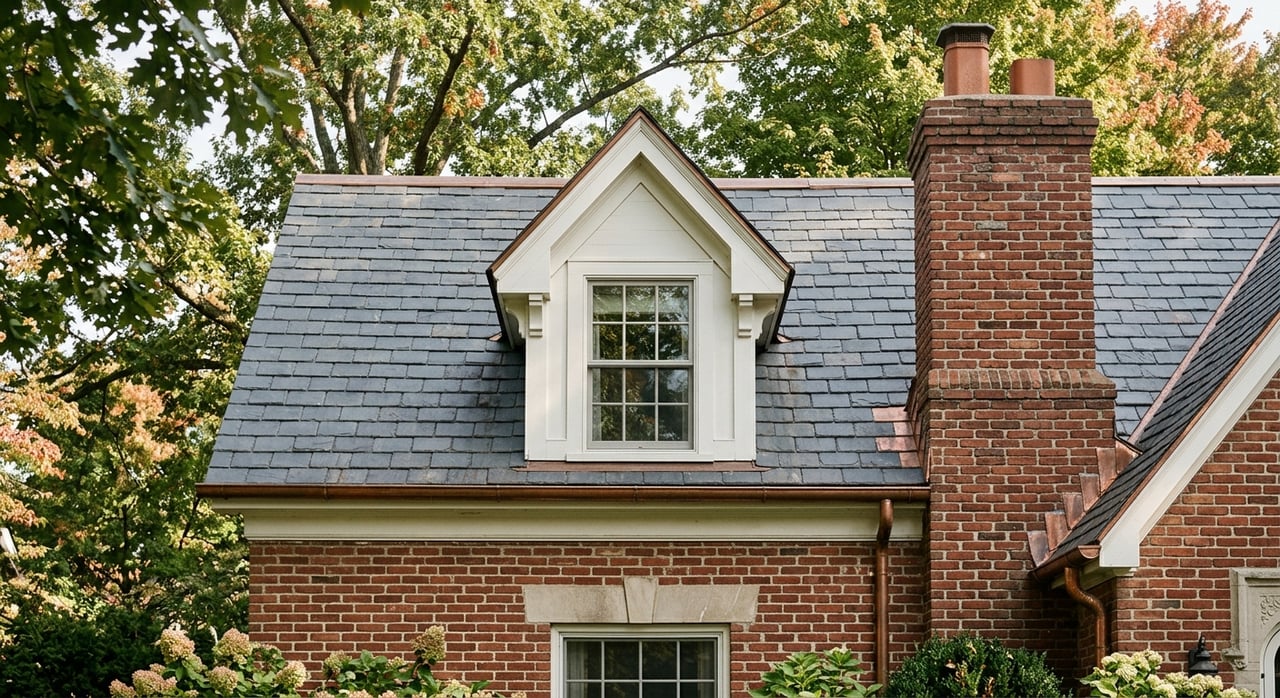
The roof deserves extra attention in a historic home purchase. National Park Service roofing guidance notes that clogged gutters, flashing failures, and ice dams can allow water into areas where it can damage sheathing and structural members.
A strong inspection should include the roof system and, when accessible, the attic or roof substrate. Key areas to review include:
- Valleys
- Dormers
- Chimneys
- Eaves
- Water stains
- Signs of rot
- Ventilation concerns
Even if the roof looks fine from the ground, hidden moisture problems can become expensive if they go unnoticed.
Masonry and structural items
Older brick and masonry homes can have issues that deserve a closer look. According to the National Park Service, cracks may result from foundation settlement, moisture changes, freeze-thaw cycles, or failures over openings.
Movement in masonry can also point to larger structural concerns. The same guidance notes that cracking or outward movement under eaves may indicate roof thrust or issues with roof ties.
If a home has been repointed, ask questions about the work. The National Park Service warns that repointing should match the historic mortar’s hardness and permeability, because poor repointing can create additional deterioration instead of solving the problem.
Windows, trim, and original details
Historic windows and trim do a lot of work. They affect curb appeal, energy performance, and the home’s architectural character.
National Park Service guidance explains that historic windows can often be repaired rather than replaced. Before full replacement, repairs like weatherstripping, caulking, and glazing work may be worth considering.
During due diligence, ask your inspector to review:
- Air infiltration around windows and doors
- Failed glazing compound
- Rot in wood elements
- The condition of storm windows
- Signs that original trim has been altered or covered
These details may seem small, but they can have a big impact on both cost and preservation compatibility.
Why preservation experience matters
Not every contractor or inspector approaches an older home the same way. In a place like Anchorage, it helps to work with professionals who understand historic materials, older construction methods, and preservation-sensitive repairs.
The National Park Service notes that architects, engineers, conservators, preservation contractors, and State Historic Preservation Office staff can help diagnose moisture problems and guide work on historic buildings. That experience can help you distinguish between a manageable repair and a more serious issue.
Architectural investigation can also be useful. The National Park Service describes it as a critical first step in understanding what is original, what has been altered, and what may be deteriorated.
Local review rules to know
Before you plan changes to a historic home in Anchorage, confirm whether the property is inside the local Historic Preservation District. This matters because local review rules can apply even when a normal building permit is not required.
Under the current city ordinance, a Certificate of Appropriateness is required before exterior alterations visible from a public street, new construction, demolition, or relocation can occur within the district. The ordinance also says applicants must submit drawings, photographs, and materials information for review.
For buyers, the practical takeaway is simple. If you are thinking about changing windows, updating a roof, adding onto the home, changing garage features, or making other visible exterior updates, you should factor in preservation review time early.
National Register versus local rules
This is one area where buyers sometimes get confused. National Register status and local historic district rules are not the same thing.
The Kentucky Heritage Council explains that National Register listing is honorary and does not by itself impose restrictions. Local historic designations, however, may require proposed work to be reviewed and approved.
That means you should ask two separate questions during your home search: is the property listed or contributing to a National Register district, and is it inside Anchorage’s local historic preservation district?
Potential tax credit questions
Some historic homeowners may qualify for tax incentives, but eligibility depends on the property’s status and the work being done. The Kentucky Heritage Council says owner-occupied and commercial buildings listed on the National Register, or contributing to a National Register district, may be eligible for the Kentucky Historic Preservation Tax Credit.
Projects must be certified and completed in accordance with the Secretary of the Interior’s Standards. If this is relevant to your plans, it is wise to verify eligibility early and discuss tax questions with a qualified tax professional.
Smart questions to ask before you buy
A historic home purchase usually goes more smoothly when you gather details up front. As you evaluate homes in Anchorage, consider asking:
- Is the property inside the local Historic Preservation District?
- What exterior changes have been made, and were they approved?
- Are original materials and architectural details still in place?
- Have there been recurring moisture or drainage issues?
- What repairs have been done to the roof, masonry, windows, or trim?
- Are there any planned updates that may require a Certificate of Appropriateness?
These questions can help you balance charm with practicality before you commit.
The Anchorage historic-home tradeoff
Buying a historic home in Anchorage can be incredibly rewarding. You may get architecture, landscape, and character that are hard to replicate in newer construction.
At the same time, these homes often ask for more thoughtful due diligence. Inspection quality, preservation awareness, and a clear understanding of local review rules can make a major difference in your experience.
If you are drawn to Anchorage for its beauty and sense of place, a careful approach can help you buy with confidence. When you want local guidance on Anchorage homes and the buying process, Mark Stevens is here to help.
FAQs
What makes Anchorage, Kentucky different for historic home buyers?
- Anchorage has a long-standing preservation framework, visible older housing stock, and a local historic district where certain exterior changes may require review and approval.
What should you inspect first in an older home in Anchorage?
- Start with moisture-related risks such as drainage, gutters, grading, basement or crawlspace dampness, roof trouble spots, and signs of recurring water entry.
What exterior features matter most on a historic home in Anchorage?
- Original materials and details like porches, cornices, trim, roof shape, windows, and the home’s relationship to its lot and landscape are especially important.
What is a Certificate of Appropriateness in Anchorage, Kentucky?
- It is a local approval required in the Historic Preservation District for certain exterior changes visible from a public street, as well as some new construction, demolition, or relocation.
Does National Register status automatically restrict changes to a home in Anchorage?
- No. The Kentucky Heritage Council says National Register listing is honorary by itself, while local historic designation is what may trigger review and approval requirements.
Are there tax credits for historic homes in Anchorage, Kentucky?
- Possibly. The Kentucky Heritage Council says some owner-occupied properties listed on the National Register, or contributing to a National Register district, may qualify for the Kentucky Historic Preservation Tax Credit depending on the project and certification requirements.