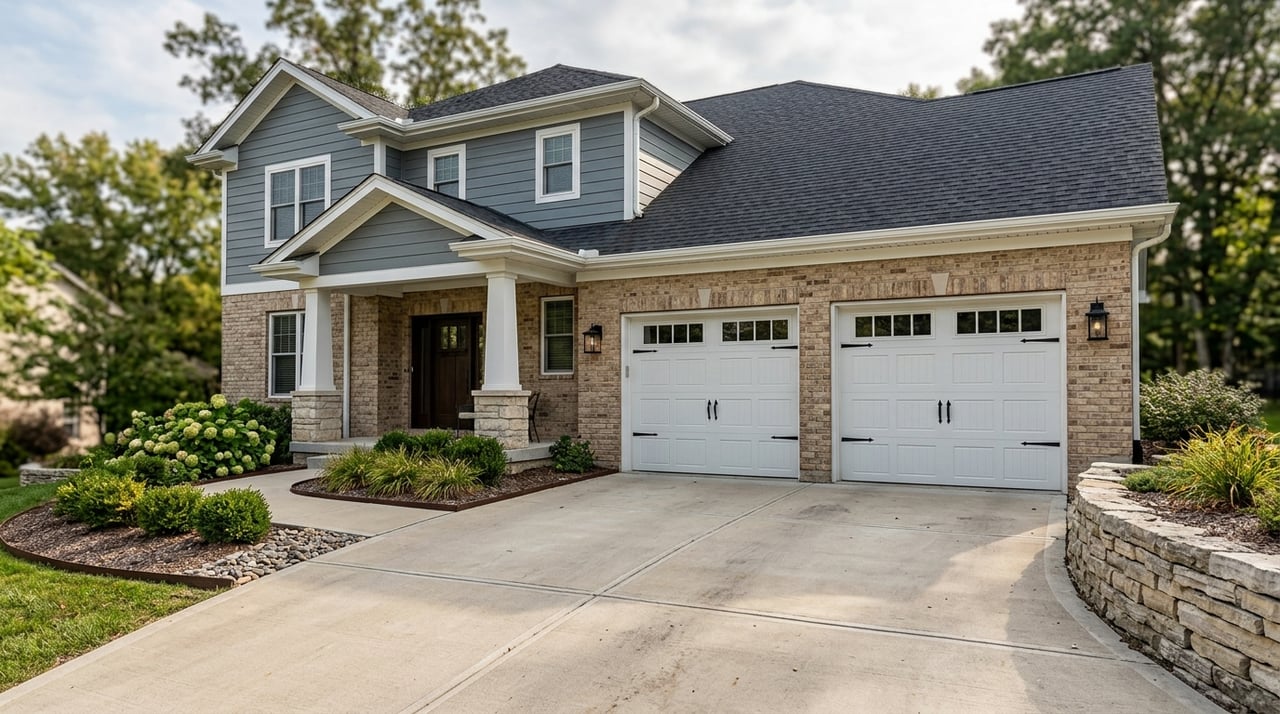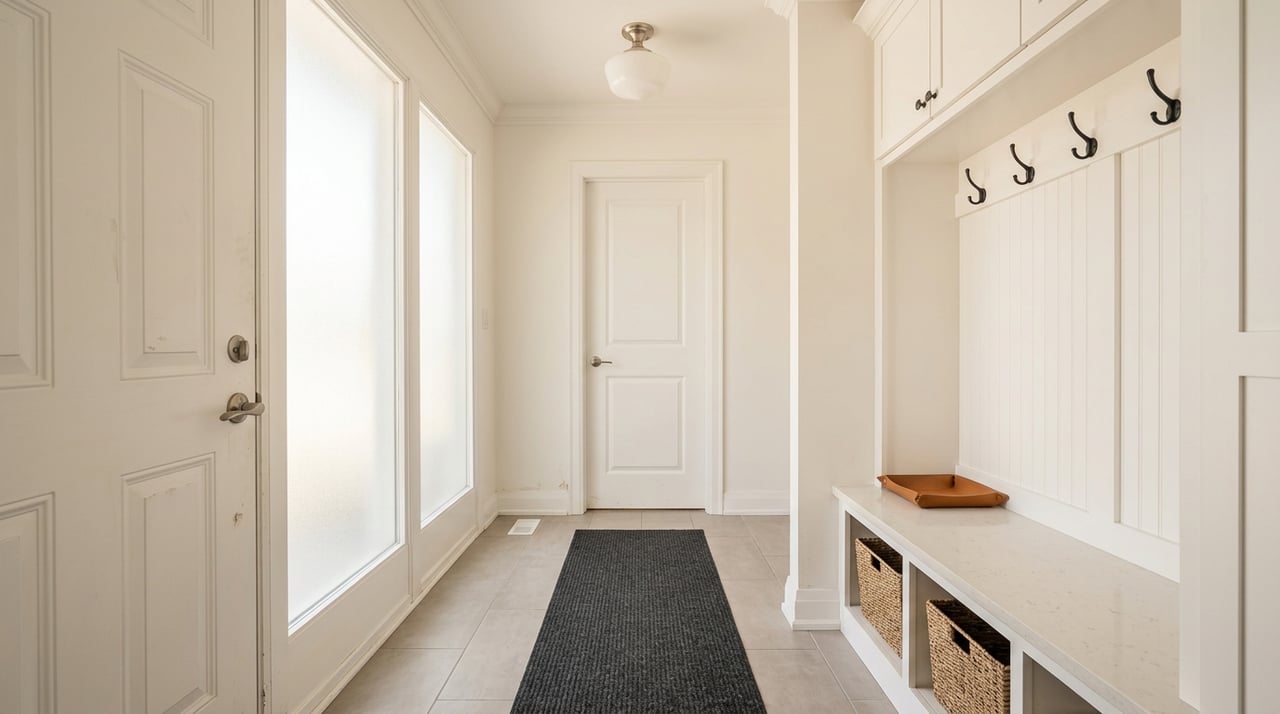
Feeling squeezed in a home that once fit just right? If you are planning a move-up purchase in Mount Washington, you are not alone. With the area’s steady growth and strong owner-occupancy, many local homeowners are looking for a little more room, a better layout, or a home that fits their next stage of life. This guide will walk you through the simplest way to plan your move, budget clearly, and avoid common timing mistakes. Let’s dive in.
Why move-up buyers are active in Mount Washington
Mount Washington has grown quickly over the past several years. The population increased from 9,117 in 2010 to 18,090 in 2020, with a 2025 estimate of 18,989. Bullitt County also grew from 74,319 in 2010 to 82,217 in 2020, with a 2025 estimate of 86,454.
That kind of growth matters when you are thinking about your next home. It suggests that Mount Washington continues to attract households who want space, stability, and a practical location within the Louisville area.
The area also has a strong ownership base. Mount Washington’s owner-occupied housing rate is 86.1%, and Bullitt County’s is 84.9%. With an average household size of 2.65 in Mount Washington and 25.6% of residents under 18, it is easy to see why many current owners start looking for a larger home instead of leaving the area.
Start with your real reason to move
Before you talk numbers, get clear on what is pushing this move. You may need more bedrooms, a home office, a larger yard, or a layout that works better day to day. A move-up purchase is easier when you know your must-haves versus your nice-to-haves.
Mount Washington buyers often balance space with convenience. The mean travel time to work is 29.2 minutes in Mount Washington and 28.7 minutes in Bullitt County, so your next home should support your routine, not just your wish list.
If school attendance is part of your search, that should be part of your planning from the start. Bullitt County Public Schools serves the area, so attendance boundaries may affect which homes make sense for your household.
Sell first or buy first?
For most move-up buyers, selling first is the simpler path. Consumer guidance from the CFPB notes that when people move, they normally try to sell their current home before buying another one. That approach can help you avoid carrying two housing payments at the same time.
Selling first also gives you a clearer picture of what you can spend. Once you know your sale proceeds, you can set a stronger budget for your next purchase and reduce guesswork around your down payment and reserves.
Still, buying first can make sense in some situations. If the right home comes up before your current home sells, temporary bridge financing may help fill the gap. Federal mortgage rules recognize bridge loans with terms of 12 months or less, designed to be replaced by permanent financing.
The key is timing and risk. If you buy before you sell, you need to be comfortable with the possibility of overlapping costs for at least a short time.
Know how much equity you can use
Your current home may be the biggest tool you have for moving up. Home equity is the current value of your home minus what you still owe on your mortgage. That number can help fund your down payment, closing costs, or temporary cash needs.
There are a few common ways move-up buyers use equity. Some rely on sale proceeds from the current home. Others may explore a home equity loan or a HELOC, depending on timing and lender guidance.
A home equity loan gives you a lump sum. A HELOC lets you draw from available equity as needed. If you already have a mortgage, both are generally second mortgages secured by your home.
The right option depends on your income, credit, debts, and how much cash your next purchase actually requires. This is one of the most important places to get lender input early.
Build a move-up budget that reflects real life
One of the biggest mistakes move-up buyers make is focusing only on the new mortgage payment. A larger home often brings larger monthly and upfront costs. If you plan ahead, those costs are manageable. If you ignore them, they can become stressful.
A complete move-up budget should include:
- Down payment
- Closing costs
- Property taxes
- Homeowners insurance
- Repairs and maintenance
- Moving costs
- Furniture or storage needs
- Home improvements after move-in
- HOA dues, if applicable
- Temporary overlap between your current and next home
This matters in Kentucky too, where property costs can change over time. Real property is revalued every year in Kentucky, and county PVA offices must physically review real property parcels at least once every four years. That means your carrying costs deserve a closer look when comparing homes.
Compare lenders before you commit
If you will finance your next purchase, do not stop at one preapproval. The CFPB recommends asking at least three lenders for preapproval and comparing at least three loan offers. This can help you see differences in rate, fees, payment, and loan structure.
Preapproval helps you shop, but it does not lock you into that lender. Once you choose a home, ask for Loan Estimates and compare the details carefully.
Pay close attention to:
- Interest rate
- Monthly payment
- Loan term
- Lender fees
- Whether taxes and insurance are included in the payment
- Down payment requirements
A larger down payment may improve approval odds and may reduce your interest rate, but loan programs vary. Some allow low down payments, and some may allow no down payment.
Plan your timing early
Move-up transactions have more moving parts than a first purchase. You may be listing one home, shopping for another, coordinating lender deadlines, and trying to line up closings with as little stress as possible. That is why early planning matters.
For a financed purchase, the mortgage closing and the home purchase closing typically happen at the same time. Your lender, title company, and agent need those dates coordinated as early as possible.
A simple timeline often looks like this:
- Estimate your current equity and overall budget.
- Talk with at least three lenders.
- Prepare your current home for sale.
- List your home and monitor buyer activity.
- Begin or narrow your home search.
- Negotiate contract timing carefully.
- Coordinate sale and purchase closings.
The smoother your timing, the more control you have over moving costs, possession dates, and short-term housing stress.
Watch Kentucky-specific closing costs
Every market has local details, and Kentucky is no exception. One item sellers should know is the Kentucky real estate transfer tax. Under state law, the tax is imposed on the grantor at $0.50 per $500 of value, or fraction of that amount, and the county clerk collects it when the deed is recorded.
Property taxes are another area to review carefully. In Kentucky, the local PVA assesses most property, and the sheriff initially collects property-tax bills. For move-up buyers and sellers, that can affect how tax prorations and annual bill timing are handled at closing.
These details may sound small, but they affect your real net proceeds and cash-to-close numbers. Knowing them early helps you make cleaner decisions.
Focus on fit, not just square footage
A move-up home should improve how you live, not just give you more room. That means looking beyond bedroom count and paying attention to layout, storage, lot use, condition, and commute practicality.
In Mount Washington, many buyers want a home that supports busy routines while still giving them more breathing room. The best choice is often the one that balances space, monthly comfort, and long-term usefulness.
That is also why local guidance matters. A hyper-local search can help you weigh neighborhood patterns, commute expectations, and the practical differences between one part of the area and another.
Keep the process simple
The easiest move-up transactions are usually the ones with the clearest plan. Start with your goals, understand your equity, compare lenders, and build a budget that includes more than the mortgage. Then line up your sale and purchase strategy around real timing, not guesswork.
If you are thinking about moving up in Mount Washington, the right plan can save you money, reduce stress, and help you make a confident next step. When you are ready to map out your options, connect with Mark Stevens for local guidance, responsive communication, and full-service support through your sale and purchase.
FAQs
Should I sell my current Mount Washington home before buying another one?
- In many cases, yes. Selling first is often the simplest option because it can help you avoid carrying two housing payments and gives you a clearer budget for your next home.
How do I figure out how much equity I can use for a move-up home?
- Start with your home’s current value minus your remaining mortgage balance. From there, a lender can help you decide whether sale proceeds, a HELOC, or a home equity loan fits your timing and cash needs.
How many lenders should I contact for a move-up purchase in Kentucky?
- A smart benchmark is at least three lenders. That gives you a better chance to compare rates, fees, payment structure, and loan terms before choosing a financing option.
What extra costs surprise Mount Washington move-up buyers?
- Common surprises include repairs, closing costs, moving expenses, property taxes, insurance, furniture, home improvements, HOA dues where applicable, and temporary overlap between two homes.
When do closings happen in a move-up home purchase?
- If you are financing the purchase, the mortgage closing and home purchase closing typically happen at the same time, so early coordination between your lender, title company, and agent is important.
What Kentucky tax item should sellers know before moving up?
- Kentucky imposes a real estate transfer tax on the grantor at $0.50 per $500 of value, or fraction of that amount, and the county clerk collects it when the deed is recorded.