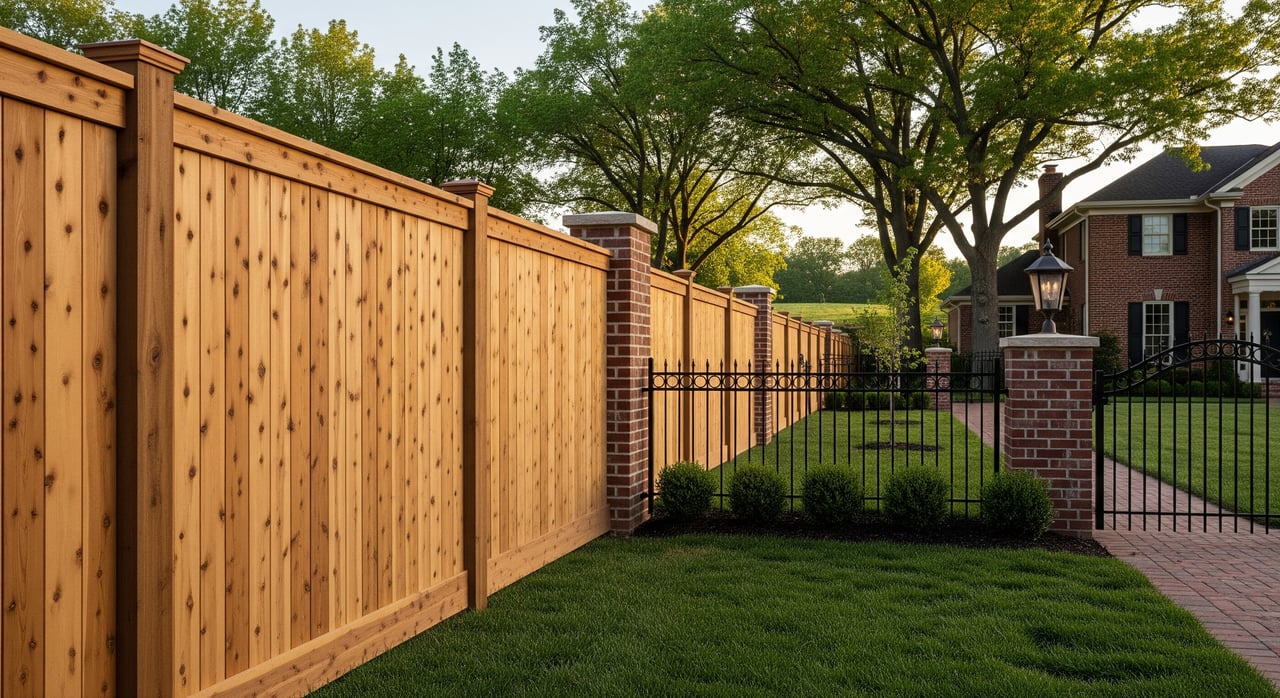
Planning a new fence in Pleasure Ridge Park? Before you set a single post, it helps to know how Louisville Metro’s rules define your yards, limit heights, and handle corner-lot visibility and permits. You want privacy and curb appeal, but you also want to avoid costly fixes. In this guide, you’ll learn how the basics work for PRP lots, what to verify in the Louisville Metro Land Development Code (LDC), and a simple checklist to move forward with confidence. Let’s dive in.
How Louisville rules apply in PRP
You live in Louisville Metro, so fence rules for PRP come from the Louisville Metro Land Development Code and Metro Permits & Inspections. Your recorded plat, deed, and any HOA covenants also matter. Together, these control where a fence can sit, how tall it can be, and whether you need a permit.
Because rules can vary by zoning and lot type, plan to verify exact requirements before you build. If anything is unclear, contact Louisville Metro Planning & Design Services and the Permits & Inspections office for written guidance.
Front vs side and rear yards
Most cities treat front yards more strictly than side or rear yards, and Louisville Metro follows a similar approach. You can expect more limits in the front yard to preserve visibility along the street. Side and rear yards often allow taller privacy options.
Key points to verify in the LDC for your lot:
- How “front,” “side,” and “rear” yards are defined for your specific parcel.
- Maximum allowed heights by yard type and how height is measured on sloped ground.
- Whether front-yard fences must be open rather than solid and what opacity is allowed.
Tip: If your lot faces more than one street, confirm how the LDC defines the primary front yard and any special rules for a street-facing side yard.
Corner lots and driveways
Corner lots must protect visibility where streets and driveways meet. The LDC uses a clear-vision or sight triangle that limits fence height within a defined triangular area so drivers and pedestrians can see one another.
Because triangle dimensions and measuring points vary, confirm the distances and the permitted height within that triangle for your specific intersection or driveway. If your corner is curved or skewed, ask Metro Planning or the traffic division to help confirm the layout on the ground.
Do you need a permit?
Permit triggers often depend on fence height, location, and materials. Many places do not require a building permit for residential fences up to a certain height, while taller or specialized fences can require permits and engineered plans. Front-yard locations or anything near the public right-of-way may be treated differently.
Before you build, verify with Metro Permits & Inspections:
- Whether your proposed height requires a permit.
- If front-yard or street-adjacent fences need permits regardless of height.
- How height is measured for permit thresholds.
- Whether replacing an existing fence requires a new permit.
Have a simple site plan ready that shows your property lines, fence location, heights, and materials. This can speed up approvals.
Easements, property lines, and HOAs
Utility and drainage easements are common in PRP. A fence in an easement may have to be removed by a utility, often without compensation. Check your plat and deed for easements and call 811 before digging so posts do not hit underground lines. Keep posts out of drainage swales and avoid blocking water flow.
Do not guess at property lines. If you are unsure, order a boundary survey. If you plan to share a fence on a common line, put neighbor agreements in writing. If your property has an HOA, its rules can be stricter than the LDC, so get HOA approval first when required.
Materials, design, and visibility
Codes often distinguish between open ornamental fencing and solid privacy fencing. Front-yard fences may need to remain open to protect sight lines, where side and rear yards can allow solid options.
If your yard slopes, ask how height is measured along stepped or terraced sections. If you have a retaining wall with a fence above it, confirm the combined height rule. Plan for drainage and choose materials that will hold up to local conditions.
Real-world PRP scenarios
Interior lot with a backyard privacy goal
You likely can use taller fencing in the rear yard, but verify the maximum height and whether a permit is needed. Confirm there is no utility or drainage easement where you intend to set posts. Call 811, confirm lines with a survey if needed, and check HOA rules before you buy materials.
Corner lot with two street fronts
Determine which street is your primary front yard under the LDC. Measure the sight triangle at the intersection and along your driveway. If your plan touches the triangle, you may need to reduce height in that zone or use a more open design to maintain visibility.
Sloped yard with stepped panels
Ask Metro how to measure height on a slope. Many codes measure from finished grade at each section, which can guide how you step your fence. If any portion exceeds the standard limit, you may need to adjust the design or seek approval before you build.
Step-by-step checklist
Use this quick checklist before installing posts:
- Confirm zoning and LDC rules
- Identify your parcel’s zoning and review the LDC fence standards that apply.
- Define your yards
- Use your recorded plat or survey to confirm front, side, and rear yard boundaries.
- Verify heights and openness
- Confirm max heights by yard type and any front-yard openness requirements.
- Protect visibility
- Measure sight triangles at intersections and driveways and ensure proposed heights comply.
- Locate easements and utilities
- Review your plat for easements. Call 811 for utility locates and keep posts out of prohibited areas.
- Check permits
- Confirm if your height, material, or location requires a permit and apply if needed.
- Review HOA rules
- Obtain written HOA approval if your community requires it.
- Confirm property lines
- Order a survey if you are not certain of your exact boundaries.
- Document neighbor agreements
- If fencing on a shared line, put ownership and maintenance terms in writing.
- Build to code and keep records
- Follow the approved plan, schedule any inspections, and keep permit documents.
What to do if issues arise
If your fence is flagged after installation, the city may require modification or removal. You can explore options such as applying for a variance, seeking a retroactive permit where allowed, or altering the fence to meet the LDC. When in doubt, request written guidance from Metro Planning so you have clear next steps.
Work with a local advisor
A fence project should add value and peace of mind, not stress. If you are planning to sell or buy in PRP and want advice on how fence choices affect curb appeal, privacy, and resale, reach out. You will get local, practical guidance to help you make the right call for your property.
Ready to talk next steps? Connect with Mark for neighborhood-specific insight, and if you are touring homes, you can also schedule time that fits your calendar. When you are ready, [Unknown Company] can help you move forward with confidence.
FAQs
What are the basic fence height rules in PRP?
- Front yards are typically more restricted, and side and rear yards usually allow taller fences. Always verify exact heights and any openness rules for your address with Louisville Metro.
How do I know my front, side, and rear yards?
- Use your plat or survey to define yard boundaries. If the front yard is unclear on a corner, contact Metro Planning for a determination before you design the fence.
What is a sight triangle on a corner lot?
- It is a no-obstruction zone near intersections and driveways to protect visibility. Measure the required triangle for your lot and keep fences within the allowed height in that area.
Do I need a permit for my PRP fence?
- Permit needs can depend on height, location, and materials. Confirm with Metro Permits & Inspections whether your plan requires a permit before purchasing materials.
Can I build across a utility or drainage easement?
- Avoid placing permanent posts in easements. Utilities may remove a fence in an easement without compensation. Review your plat and check with utility locators first.
How should I handle a shared boundary fence with a neighbor?
- Verify the line with a survey, agree on placement, and document ownership and maintenance in writing before construction to prevent disputes.